
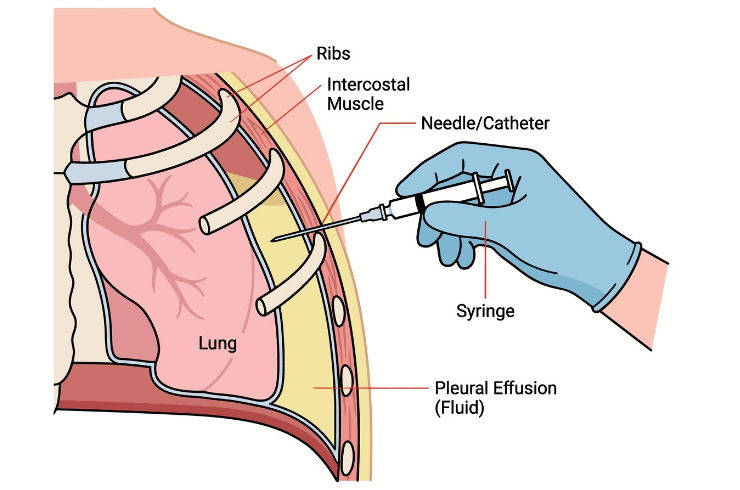
Pleural tapping, also known as thoracentesis, is a medical procedure used to collect or remove fluid from the pleural space, the area between the lungs and the chest wall. Fluid accumulation in this space is called pleural effusion. Depending on its cause and severity, pleural effusion may lead to breathing difficulties, chest discomfort, or other respiratory symptoms that require medical evaluation.
At Parwarish Clinic, diagnostic and therapeutic pleural tapping is listed among the specialised medical services. The procedure may help healthcare professionals investigate the underlying cause of fluid accumulation or relieve symptoms associated with excessive fluid. The decision to perform pleural tapping depends on the patient’s condition, clinical findings, and the treating team’s assessment.
Pleural effusion can develop due to several medical conditions, including infections, inflammatory disorders, heart-related conditions, and other underlying illnesses. Identifying the cause is important for determining the appropriate treatment.
Symptoms may vary depending on the amount of fluid present and the underlying condition. Common symptoms include:
Shortness of breath or difficulty breathing
Chest discomfort, particularly during deep breathing
Persistent cough
Reduced exercise tolerance
Rapid breathing in some patients
These symptoms require appropriate medical assessment, especially when they develop suddenly or worsen.
Diagnostic pleural tapping involves collecting a small sample of pleural fluid for laboratory analysis. Testing may help identify infection, inflammation, or other causes of fluid accumulation. The results assist healthcare professionals in planning further investigations and treatment.
Therapeutic pleural tapping involves removing excess fluid to help relieve breathing discomfort in selected patients. The amount of fluid removed and the need for further procedures depend on the patient’s clinical condition.
Pleural tapping is generally performed by a trained healthcare professional using appropriate sterile techniques. Imaging guidance, such as ultrasound, may be used to identify a suitable site and improve procedural safety.
During the procedure, the patient’s breathing, comfort, and vital signs are monitored as appropriate. Afterward, healthcare professionals assess the patient’s condition and determine whether additional monitoring, laboratory testing, or imaging is necessary.
Pleural effusion in newborns and children requires careful evaluation because its causes and management may differ from those in adults. Treatment decisions depend on the child’s age, symptoms, underlying condition, and overall stability.
Parwarish Clinic lists diagnostic and therapeutic pleural tapping among its specialised services. Please confirm the procedure’s availability and the appropriate clinical facility before visiting. Severe breathing difficulties require immediate emergency medical attention.