
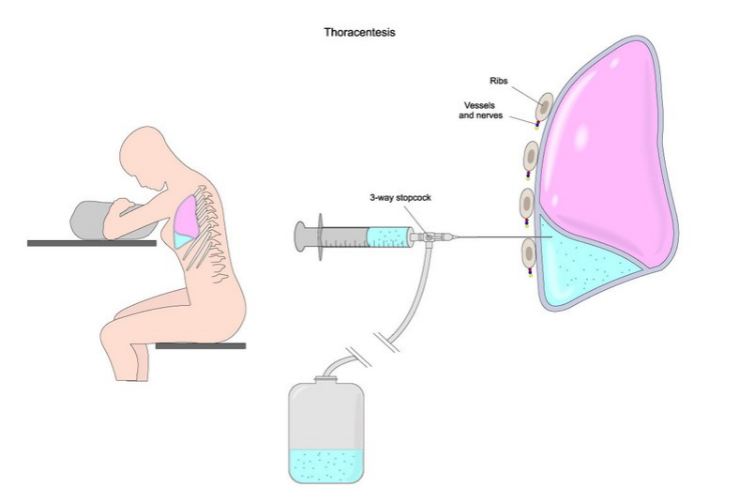
Ascitic tapping, also known as paracentesis, is a medical procedure used to collect or drain excess fluid from the abdominal cavity. This fluid accumulation, called ascites, can occur due to various underlying medical conditions and may cause abdominal swelling, discomfort, reduced appetite, or difficulty breathing when severe. Appropriate medical assessment helps determine the cause of ascites and the most suitable treatment.
At Parwarish Clinic, ascitic tapping is listed among the specialised medical services. The procedure may be performed for diagnostic purposes, to investigate the underlying cause of abdominal fluid accumulation, or therapeutically, to remove excess fluid and relieve symptoms. The decision to perform ascitic tapping depends on the patient’s condition, medical history, examination findings, and clinical requirements.
Ascites refers to the abnormal accumulation of fluid within the abdominal cavity. It may develop in association with liver disease, certain infections, kidney or heart conditions, and other medical disorders. Identifying the underlying cause is essential for determining appropriate treatment and preventing further complications.
Symptoms associated with ascites may include:
Noticeable abdominal swelling or enlargement
A feeling of fullness or heaviness in the abdomen
Abdominal discomfort or pressure
Reduced appetite or early fullness after eating
Shortness of breath when fluid accumulation becomes significant
Persistent abdominal swelling should be medically evaluated, particularly when accompanied by fever, abdominal pain, or worsening symptoms.
Diagnostic paracentesis involves collecting a sample of abdominal fluid for laboratory testing. The results may help healthcare professionals investigate infection, inflammation, and other potential causes of ascites. Testing may also provide information that helps guide further investigations and treatment.
Therapeutic paracentesis involves draining excess abdominal fluid to help relieve pressure, discomfort, and breathing difficulties associated with significant ascites. The procedure and amount of fluid removed are determined according to the patient’s clinical condition.
Ascitic tapping is performed by a trained healthcare professional using appropriate sterile techniques. Ultrasound guidance may be used to locate fluid and identify a suitable insertion site. The patient’s condition is assessed before the procedure, and appropriate monitoring is provided during and afterward.
Following the procedure, the collected fluid may be analysed when required. Further treatment depends on the results and the underlying cause of fluid accumulation.
Ascites in newborns and children requires careful assessment because its causes and management may differ from those in adults. Treatment decisions depend on age, symptoms, underlying illness, and overall health.
Parwarish Clinic lists ascitic tapping among its specialised services. Please confirm its availability and the appropriate clinical facility before visiting. Severe abdominal pain, fever with abdominal swelling, or breathing difficulties require urgent medical attention.