
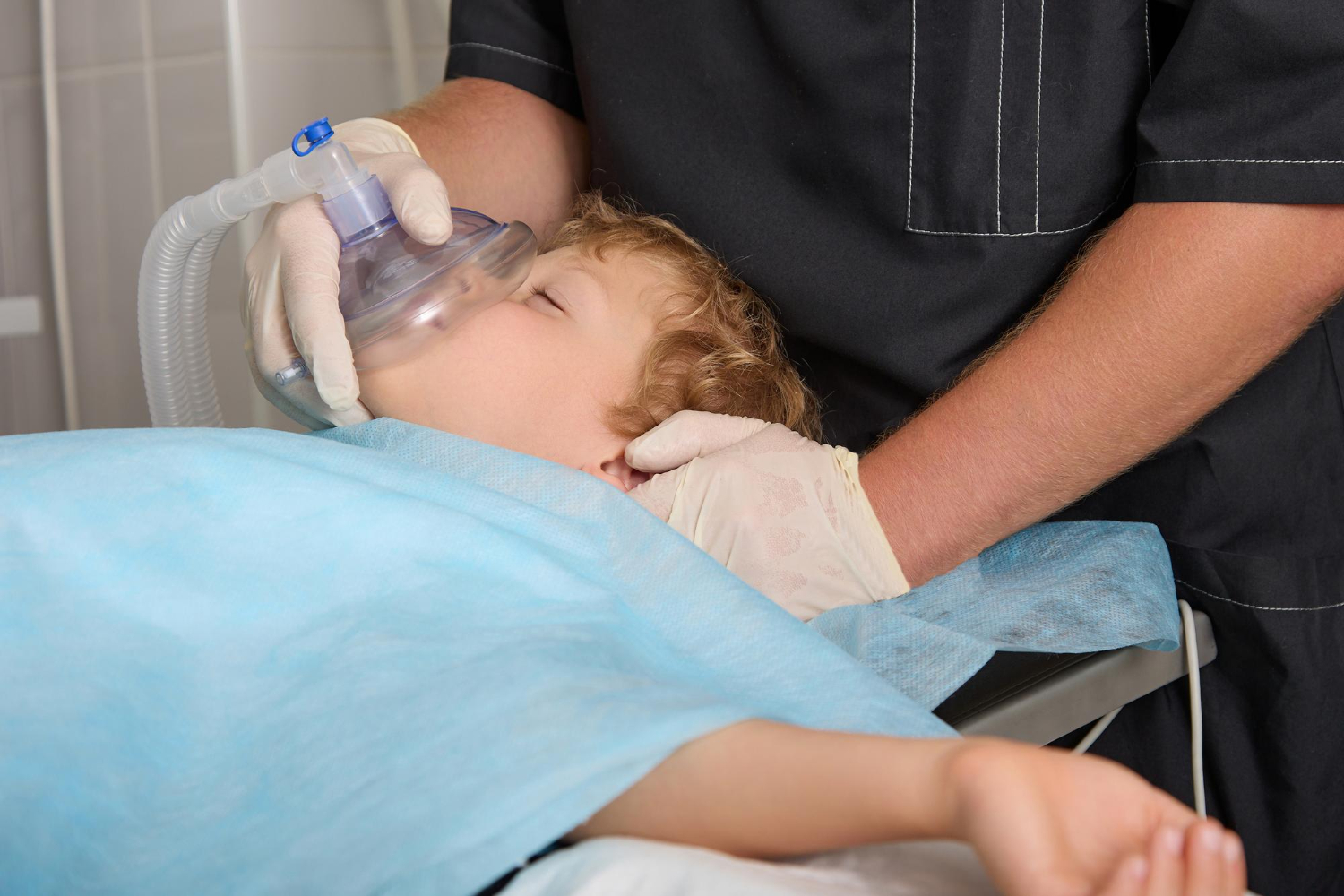
Pediatric anaesthesia is a specialised area of medical care that helps children undergo surgical procedures, diagnostic investigations, and selected medical interventions with appropriate pain management and monitoring. Children have different physiological needs from adults, making careful assessment and age-appropriate anaesthesia planning essential. The type of anaesthesia or sedation required depends on the child’s age, medical history, procedure, and overall health.
At Parwarish Clinic, pediatric sedation and anaesthesia are included among the listed specialised services. These procedures require qualified professionals, appropriate monitoring equipment, and a clinical setting equipped to manage potential complications. Before any procedure, healthcare professionals evaluate the child’s condition and determine the most suitable approach based on individual clinical requirements.
Sedation and anaesthesia are used for different purposes depending on the medical procedure and the level of support required.
Pediatric Sedation: Helps reduce anxiety, discomfort, or movement during selected procedures. The level of sedation depends on the procedure and the child’s needs.
General Anaesthesia: Produces a controlled state of unconsciousness for procedures that require the child to remain completely unaware.
Pre-Procedure Assessment: Reviews the child’s medical history, allergies, medications, previous anaesthesia experiences, and relevant health concerns.
Physiological Monitoring: Tracks important parameters such as heart rate, breathing, oxygen levels, and blood pressure as appropriate.
Recovery Monitoring: Ensures the child receives appropriate observation after sedation or anaesthesia before discharge or transfer to further care.
Children are not simply smaller adults. Their airways, breathing patterns, medication requirements, and physiological responses differ according to age and development. Careful planning helps healthcare professionals select appropriate techniques, medication doses, and monitoring arrangements.
Parents should provide accurate information about their child’s medical history, current medications, allergies, recent illnesses, and previous reactions to anaesthesia. Following the healthcare team’s instructions about fasting, medication, and preparation is also important before a planned procedure.
A well-planned anaesthesia process considers both the child’s medical needs and the family’s concerns. Clear communication helps parents understand the purpose of the procedure, preparation requirements, potential risks, and expected recovery.
Pediatric anaesthesia should be administered by appropriately qualified professionals in a suitably equipped clinical setting with emergency support available. The level of monitoring required depends on the procedure and depth of sedation.
Parwarish Clinic lists pediatric sedation and anaesthesia among its specialised services. Please confirm the availability of these procedures, the responsible anaesthesia team, and the appropriate treatment facility before booking.