
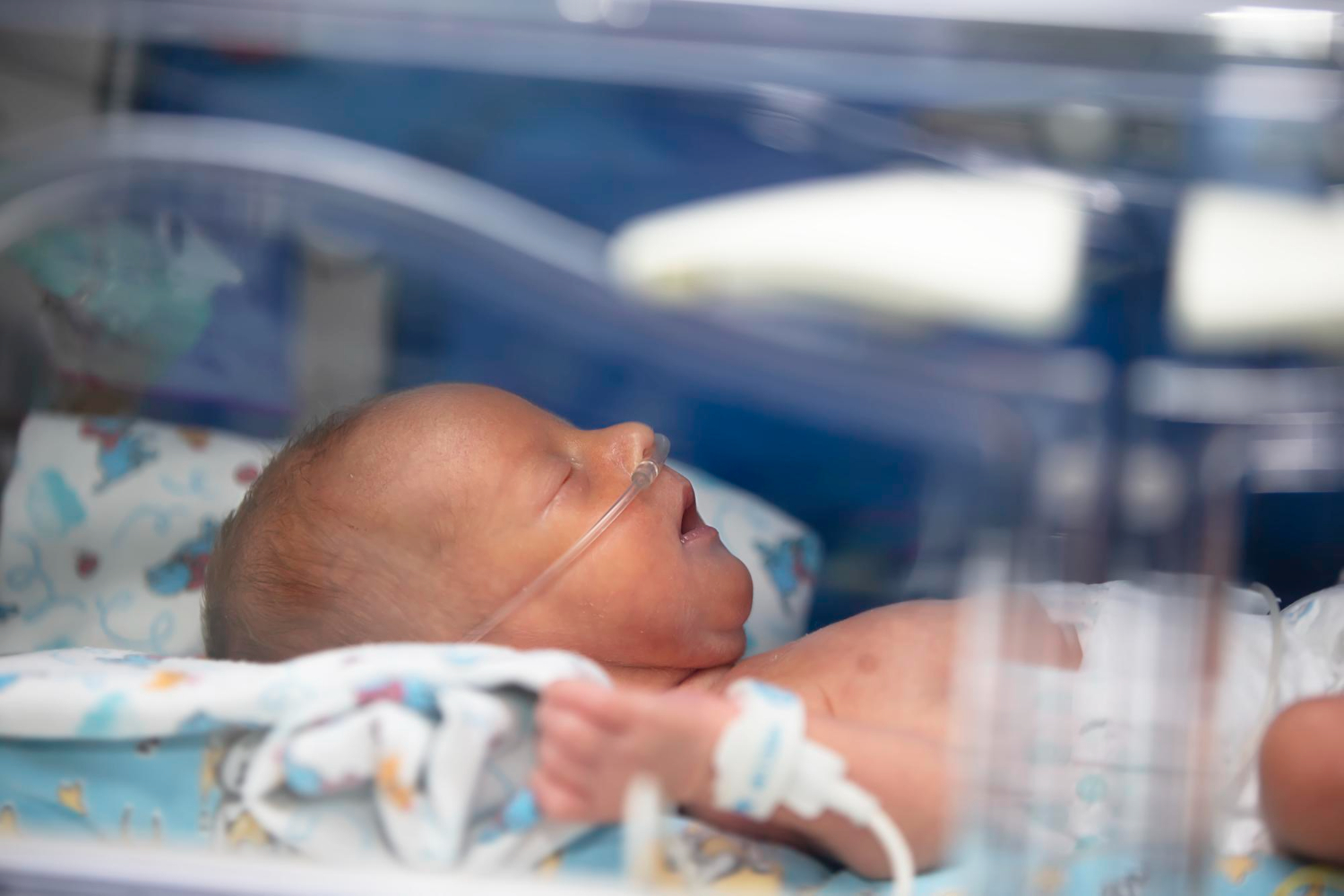
Intubation and ventilation are specialised medical procedures used to support breathing in newborns, infants, and older children who cannot maintain adequate respiration independently. These interventions are important in critical care when respiratory distress, severe illness, injury, or other medical conditions affect a child’s ability to breathe effectively. Timely assessment and appropriate respiratory support help healthcare professionals manage serious breathing difficulties.
At Parwarish Clinic, intubation and ventilation are included among the listed specialised pediatric services. These procedures require trained healthcare professionals, suitable medical equipment, and continuous monitoring in an appropriate clinical setting. The type of respiratory support provided depends on the child’s age, weight, underlying condition, and individual medical requirements.
Pediatric intubation involves placing a breathing tube into the trachea, or windpipe, to help maintain an open airway and support breathing. It may be required during certain emergencies, severe respiratory conditions, or procedures involving general anaesthesia.
Intubation in newborns requires particular care because their airways are smaller and their respiratory needs differ from those of older children. Healthcare professionals assess the child’s condition and determine whether intubation is necessary.
Mechanical ventilation uses specialised equipment to assist or control breathing when a child cannot breathe adequately without assistance. It may be needed temporarily during critical illness or as part of treatment for specific respiratory conditions.
Pediatric ventilation requires careful adjustment according to the child’s size, lung condition, oxygen requirements, and response to treatment.
Respiratory support may involve:
Airway Assessment: Evaluating the child’s breathing and determining the need for airway intervention.
Intubation: Establishing an airway when clinically indicated.
Ventilator Support: Providing assisted breathing using appropriate respiratory equipment.
Oxygen Monitoring: Assessing oxygen levels and other relevant vital signs throughout treatment.
Ongoing Evaluation: Monitoring respiratory response and adjusting support according to clinical requirements.
These procedures may be considered when a child experiences severe respiratory distress, inadequate oxygenation, respiratory failure, or particular medical emergencies. They may also be required during selected surgical procedures under general anaesthesia.
Not every child with breathing difficulties requires intubation or mechanical ventilation. A qualified healthcare professional determines the appropriate treatment following an assessment of the child’s condition.
Intubation and ventilation require appropriate equipment, trained personnel, and a clinical setting capable of providing respiratory monitoring and emergency support. Newborns and children may need additional observation or specialised intensive care depending on the severity of their condition.
Parwarish Clinic lists intubation and ventilation for newborns and older children among its specialised services. Families should confirm the availability of these procedures and the appropriate treatment facility before visiting. Severe breathing difficulties require immediate emergency medical attention.