
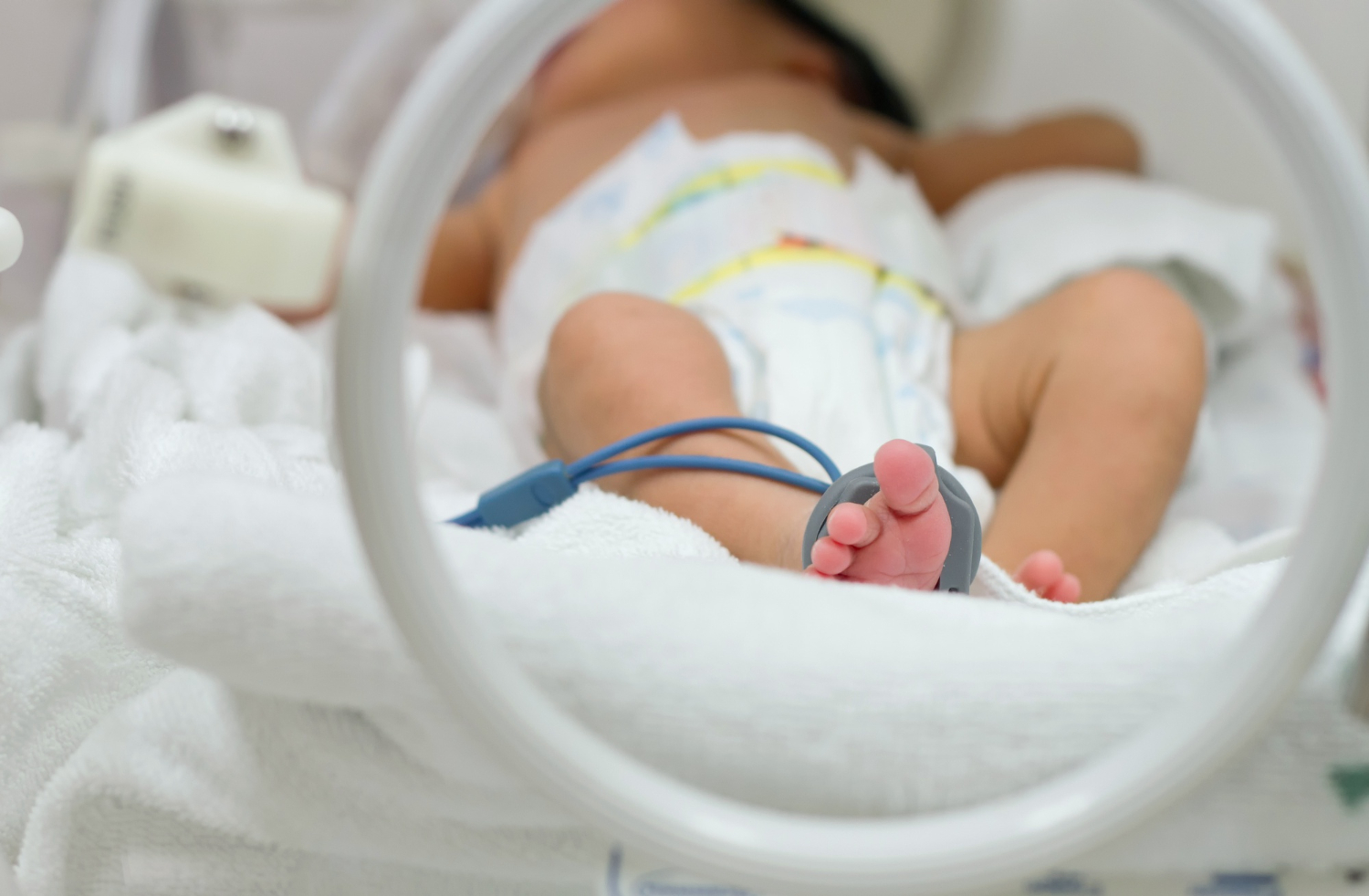
Pediatric resuscitation is a specialised emergency procedure used to support newborns, infants, and children experiencing life-threatening problems with breathing or circulation. Prompt recognition of an emergency and appropriate medical intervention are essential for protecting a child’s health and improving the possibility of recovery. Pediatric resuscitation requires trained healthcare professionals, suitable equipment, and a coordinated clinical response.
At Parwarish Clinic, pediatric resuscitation is an important area of specialised pediatric care listed among the available hospital services. Neonatal and pediatric resuscitation techniques differ according to a child’s age, size, condition, and underlying medical problem. Healthcare professionals follow appropriate clinical protocols to assess the child’s condition and determine the necessary emergency interventions.
Newborns and older children can experience emergencies for different reasons. Newborns may require resuscitation support immediately after birth if they have difficulty establishing effective breathing. Older infants and children may need emergency intervention following severe respiratory problems, serious infections, injuries, or other critical medical conditions.
Pediatric resuscitation may involve several essential interventions, depending on the child’s condition:
Initial Assessment: Evaluating breathing, circulation, responsiveness, and other vital signs to identify the urgency of the situation.
Airway Management: Assessing and maintaining an open airway to help ensure adequate airflow.
Breathing Support: Providing appropriate respiratory assistance when a child cannot breathe effectively without support.
Circulation Support: Performing age-appropriate interventions to support blood circulation when clinically necessary.
Continuous Monitoring: Monitoring vital signs and the child’s response to emergency interventions.
Further Medical Care: Identifying the need for additional treatment, observation, or transfer to a specialised facility.
In pediatric emergencies, prompt assessment and appropriate resuscitation can be critical. Delays in recognising breathing difficulties, cardiac arrest, or other serious warning signs can increase the risk of complications. Healthcare professionals must be prepared to respond quickly and follow established emergency care protocols.
Parents and caregivers should seek immediate emergency medical assistance if a child becomes unresponsive, experiences severe breathing difficulties, or shows signs of a life-threatening condition. They should not delay emergency care while attempting to arrange a routine appointment.
Pediatric resuscitation requires specialised training, appropriate equipment, and a clinical environment equipped to manage emergencies. The techniques used depend on the child’s age and medical condition.
Parwarish Clinic includes neonatal and pediatric resuscitation among its listed services. Families should confirm the availability of emergency resuscitation facilities and the appropriate point of care before visiting. Prompt access to suitable emergency services remains essential for protecting newborn and child health.